Dandelion Leaves with Garlic
Highlighted under: Wide World Food
I absolutely love incorporating wild greens into my meals, and dandelion leaves are one of my all-time favorites. Their slightly bitter taste combined with the savory flavor of garlic creates a deliciously robust side dish that's both healthy and satisfying. Whether I'm throwing together a simple lunch or looking to elevate my dinner spread, this recipe has never failed to impress. Plus, it’s a fantastic way to enjoy nature's bounty right from my backyard!
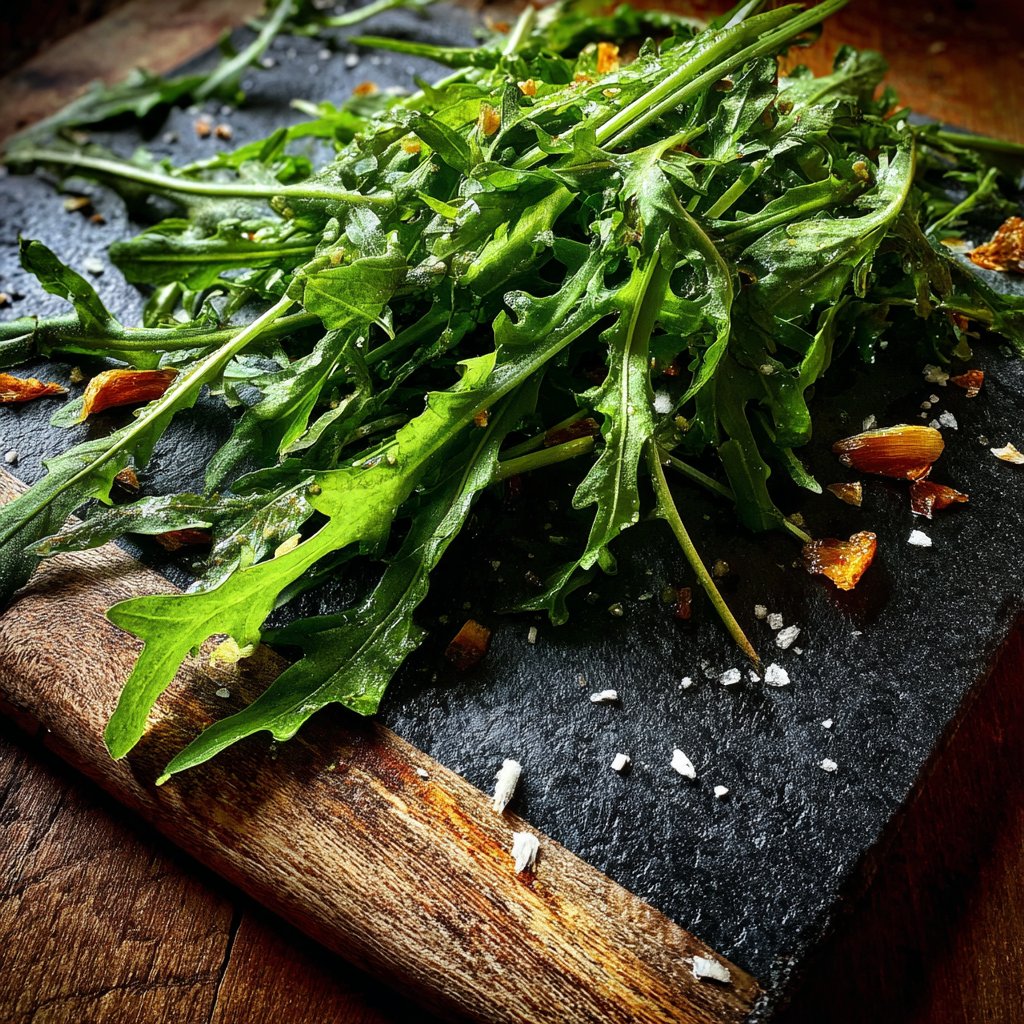
When I first tried cooking dandelion leaves, I was surprised by how much flavor they brought to a dish. Their unique bitterness contrasts beautifully with garlic, making them a perfect addition to any meal. I remember the first time I paired them with grilled chicken; the flavors blended together in a way that made each bite memorable. It’s one of those combinations that feels like a secret weapon in the kitchen.
To really enhance the natural flavors of the dandelion leaves, I always recommend sautéing them just briefly in olive oil with minced garlic. This not only softens their leaves but allows the garlic to infuse its savory goodness. I sometimes add a squeeze of lemon at the end to brighten everything up; it’s a simple tip that elevates the dish remarkably!
Why You'll Love This Recipe
- A unique way to enjoy wild greens
- Savory garlic flavor that enhances the dish
- Quick to prepare for busy weeknights
Understanding Dandelion Leaves
Dandelion leaves are often overlooked but are packed with nutrients, including vitamins A, C, and K, along with minerals like iron and calcium. Their slightly bitter flavor adds complexity to dishes, making them perfect for sautéing with garlic. When selecting dandelion leaves, look for younger, tender leaves that are bright green and free of blemishes. Older leaves can be tougher and more bitter, which might not be the desired flavor profile for your dish.
Before cooking, make sure to thoroughly wash the leaves to remove any dirt or insects. I find that soaking them in cold water for a few minutes helps loosen any debris. After washing, pat them dry with a kitchen towel to prevent excess moisture in the skillet, which can steam the leaves instead of sautéing them. This step is crucial for achieving that vibrant green color and slightly crisp texture.
Perfecting the Sautéing Technique
The key to perfectly sautéed dandelion leaves lies in the heat control. Begin by heating your skillet over medium heat. This allows the olive oil to warm up without smoking, which can ruin the flavor. When adding the garlic, keep an eye on it—you're aiming for a fragrant aroma and a golden hue, which typically takes about one minute. If the garlic starts to brown too quickly, reduce the heat to avoid bitterness.
Once you add the dandelion leaves, sauté them just until they are wilted and bright green, usually around 3-4 minutes. Stirring occasionally ensures even cooking and prevents sticking. The goal is to retain some texture while allowing the leaves to absorb the garlicky oil. This method keeps your dish flavorful without turning the greens into a mushy mess.
Serving Suggestions and Variations
This dish can be served as a side or transformed into a main meal by incorporating cooked grains like quinoa or farro. Tossing in some toasted nuts can also add an exciting crunch and depth of flavor. For a heartier version, consider adding protein, such as grilled chicken or chickpeas, to the sautéed greens. A sprinkle of feta cheese before serving adds creaminess that balances the bitterness of the dandelions beautifully.
For those interested in experimenting, try adding red pepper flakes for a touch of heat or a splash of balsamic vinegar for a tangy twist. This dish can easily be customized to fit your flavor preferences. If you're preparing this ahead of time, sauté the dandelion leaves earlier in the day and reheat on low before serving; this helps meld the flavors while retaining texture.
Ingredients
Gather the following ingredients to prepare this flavorful dish.
Ingredients
- 4 cups dandelion leaves, washed and chopped
- 3 cloves garlic, minced
- 2 tablespoons olive oil
- Salt and pepper to taste
- Juice of 1 lemon (optional)
Once you have your ingredients ready, you’re all set to start cooking!
Instructions
Follow these simple steps to prepare your dandelion leaves with garlic.
Sauté the Garlic
In a large skillet, heat the olive oil over medium heat. Add the minced garlic and sauté for about 1 minute until fragrant, being careful not to let it burn.
Add Dandelion Leaves
Add the chopped dandelion leaves to the skillet, season with salt and pepper, and sauté for an additional 3-4 minutes until the leaves are wilted but still vibrant green.
Serve and Enjoy
Remove from heat, and if desired, squeeze fresh lemon juice over the dish before serving. Enjoy your dandelion leaves as a side or a light meal on their own!
Now that your dish is ready, you can serve it warm and enjoy the fresh flavors!
Pro Tips
- For a richer flavor, consider adding a pinch of chili flakes when sautéing the garlic. This gives the dish a pleasant kick that complements the bitterness of the dandelion leaves beautifully.
Ingredient Insights
Using fresh, high-quality olive oil is crucial in this recipe as it enhances the overall flavor. Extra virgin olive oil works best due to its rich taste and health benefits. If you're looking for a substitute, avocado oil is a great alternative as it has a similar flavor profile and high smoke point, making it suitable for sautéing.
Garlic not only adds a savory note, but it also complements the dandelion leaves' bitterness, creating a harmonious balance. To boost the flavor even further, consider roasting the garlic beforehand; this can impart a sweeter, more mellow taste. You can also use garlic powder in a pinch, but the fresh version is undeniably superior.
Storage Options
If you have leftovers, store the sautéed dandelion leaves in an airtight container in the refrigerator. They can usually last up to 3 days. Reheat them gently in a skillet over low heat to maintain their texture without turning them into mush. Be mindful of using too high a heat during reheating, as this can lead to a loss of the dish's vibrant colors and flavors.
For longer storage, consider freezing the sautéed leaves. Allow them to cool completely, then transfer to freezer-safe bags, removing as much air as possible before sealing. They can be kept in the freezer for up to three months. To use frozen dandelion leaves, simply thaw in the refrigerator overnight before reheating, preserving their flavor and nutrients.
Questions About Recipes
→ Can I eat dandelion leaves raw?
Yes, dandelion leaves can be eaten raw in salads, but they are quite bitter. Sautéing them helps mellow the flavor.
→ Where can I find dandelion leaves?
Dandelion leaves can often be found in your garden or local farmers' markets, especially in spring.
→ What can I substitute for dandelion leaves?
If you can't find dandelion leaves, you can substitute with other bitter greens like arugula or endive.
→ How should I store leftover dandelion leaves?
Store leftover dandelion leaves in an airtight container in the refrigerator for up to 2 days. Reheat gently before serving.
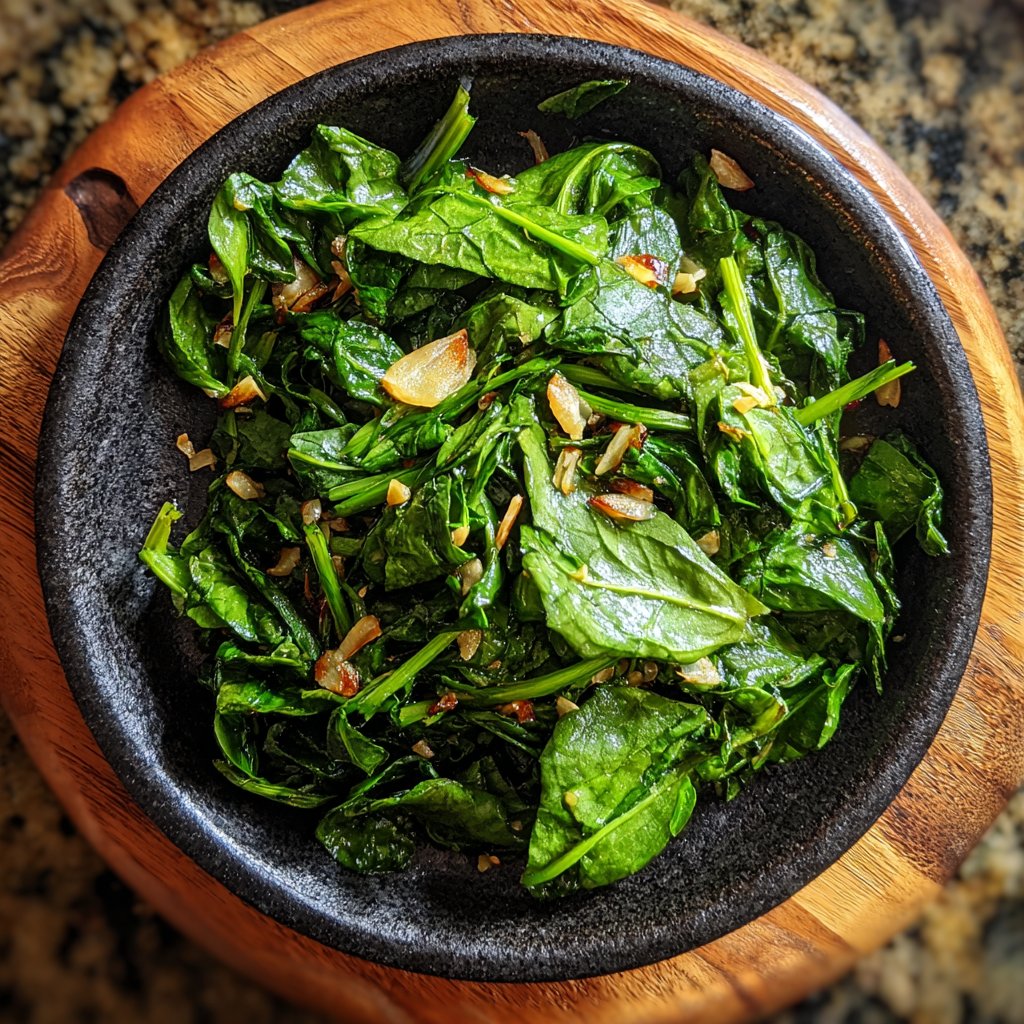
Dandelion Leaves with Garlic
Created by: The Tastecravings Team
Recipe Type: Wide World Food
Skill Level: Easy
Final Quantity: 4 servings
What You'll Need
Ingredients
- 4 cups dandelion leaves, washed and chopped
- 3 cloves garlic, minced
- 2 tablespoons olive oil
- Salt and pepper to taste
- Juice of 1 lemon (optional)
How-To Steps
In a large skillet, heat the olive oil over medium heat. Add the minced garlic and sauté for about 1 minute until fragrant, being careful not to let it burn.
Add the chopped dandelion leaves to the skillet, season with salt and pepper, and sauté for an additional 3-4 minutes until the leaves are wilted but still vibrant green.
Remove from heat, and if desired, squeeze fresh lemon juice over the dish before serving. Enjoy your dandelion leaves as a side or a light meal on their own!
Extra Tips
- For a richer flavor, consider adding a pinch of chili flakes when sautéing the garlic. This gives the dish a pleasant kick that complements the bitterness of the dandelion leaves beautifully.
Nutritional Breakdown (Per Serving)
- Calories: 120 kcal
- Total Fat: 10g
- Saturated Fat: 1g
- Cholesterol: 0mg
- Sodium: 250mg
- Total Carbohydrates: 8g
- Dietary Fiber: 3g
- Sugars: 1g
- Protein: 3g