Global Japanese Sushi Rolls
Highlighted under: Wide World Food
I’ve always been fascinated by sushi and its endless variations. Making Global Japanese Sushi Rolls at home is not only a fun cooking project but also a delicious way to unleash your creativity. Each roll can be customized with different ingredients, from fresh vegetables to savory proteins, making it a versatile dish for any occasion. With a bit of practice, I've learned how to roll and slice perfectly, and I can't wait to share my favorite tips with you. Grab your bamboo mat, and let’s roll up some culinary magic!
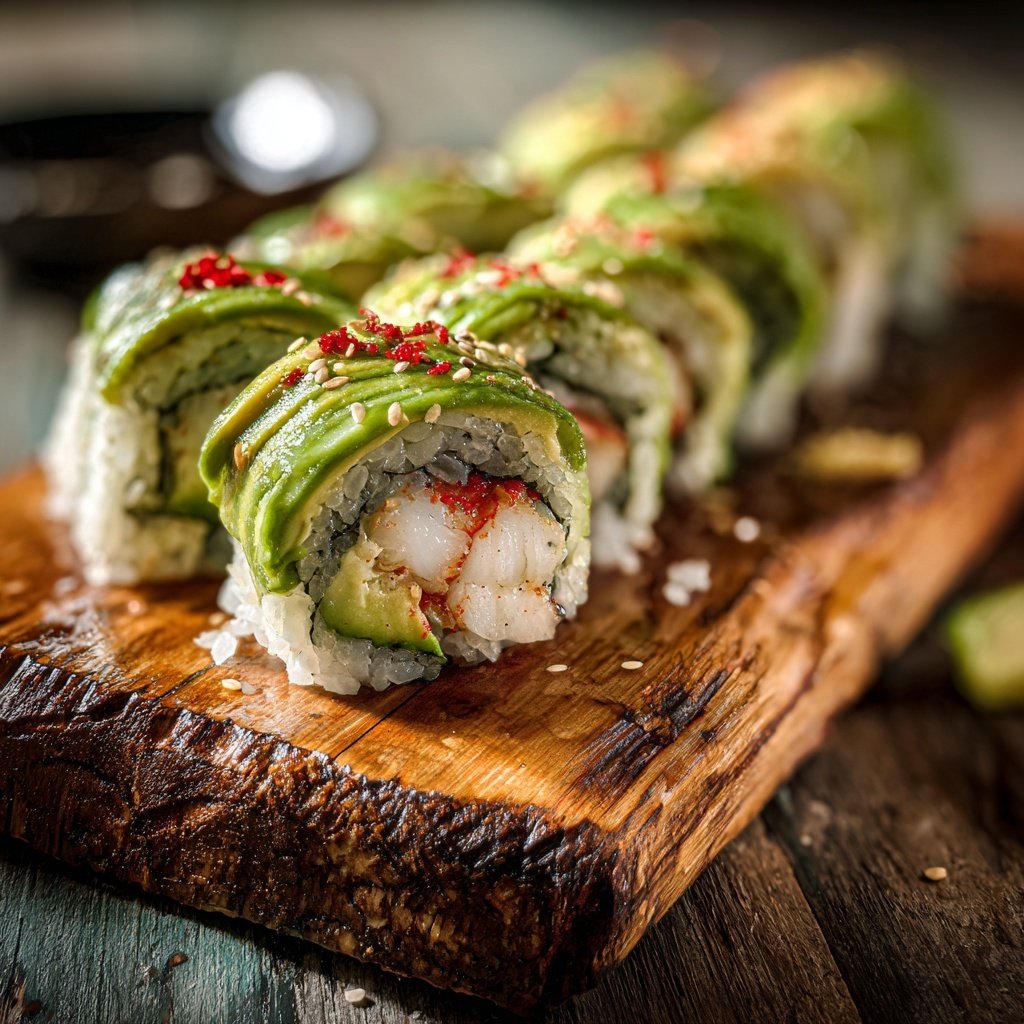
When my friends and I first tried making sushi at home, we were both excited and nervous. We spent hours experimenting with various fillings, from avocado and cucumber to shrimp and spicy tuna. Each roll was a new adventure, and we quickly realized it's all about the flavors and balance. I discovered that using freshly cooked rice and good-quality nori can truly elevate the dish.
One of my favorite tips is to practice your rolling technique by starting with simple fillings and gradually adding more complex combinations. Trust me, the more you roll, the better you become. It’s incredibly rewarding to share these rolls with friends, showcasing both our culinary skills and creativity.
Why You Will Love This Recipe
- Endless customization options with different fillings and toppings
- A fun and interactive dish perfect for gatherings or parties
- Fresh ingredients provide a delightful taste and satisfying texture
Choosing Your Fillings
One of the joys of making Global Japanese Sushi Rolls is the plethora of filling options available. While avocado and shrimp are classic choices, consider experimenting with different proteins like crab, tuna, or tofu for a vegetarian version. Fresh herbs like cilantro or mint can enhance the flavor profile. Also, think about adding crunch with ingredients like tempura flakes or pickled vegetables. Remember that each filling adds its own texture and flavor; balancing softness with crunch can create a more satisfying mouthfeel.
Don’t forget about sauces and toppings! A drizzle of spicy mayo can elevate your sushi rolls to a new level. If you're looking for a bit of heat, sriracha mixed with mayonnaise can be spooned on top or spread inside the roll. Consider keeping some extra ingredients on hand for guests to customize their sushi, making it a more interactive experience.
Perfecting Your Rolling Technique
Rolling sushi might seem daunting at first, but with practice, you'll master the technique. Use a bamboo mat as your guide, but remember to maintain a firm yet gentle pressure as you roll. This helps create a tight sushi roll that holds its shape well. If you find your rolls falling apart, it might be due to using too much rice or not applying enough pressure. Try to spread the rice evenly and compactly, leaving that 1-inch margin at the top so it seals properly.
Visual cues are important while rolling. Look for the rice to have a slightly glossy appearance when done properly, which indicates sufficient moisture without being overly sticky. If you're having trouble with soggy rice, ensure you rinse it thoroughly before cooking and allow it to cool completely once prepared. You want the rice to be cool enough to handle but warm enough to mold easily.
Serving and Storing Your Sushi
Once your sushi rolls are sliced, presentation matters. Arrange them on a platter with dipping sauces on the side. You might also consider garnishing with sesame seeds or thinly sliced green onions for added flavor and visual appeal. Since sushi is best served fresh, it's ideal to consume it the same day you make it. If you need to prepare in advance, store uncut rolls wrapped tightly in plastic wrap in the refrigerator to maintain freshness, but aim to serve them within 24 hours.
If you do have leftovers, avoid freezing the rolls as this affects the texture of the rice and fillings. Instead, try to keep any leftover sushi rice separate, as it can be used in other dishes like sushi bowls or fried rice. It's a great way to minimize waste while still enjoying the delicious flavors you've created.
Ingredients for Global Japanese Sushi Rolls
Sushi Rice
- 2 cups sushi rice
- 2 1/2 cups water
- 1/4 cup rice vinegar
- 2 tablespoons sugar
- 1 teaspoon salt
Fillings
- 1 ripe avocado, sliced
- 1 cucumber, julienned
- 8 oz cooked shrimp, peeled and deveined
- 4 sheets of nori
- Soy sauce and wasabi for serving
Make sure to gather all your ingredients before starting the preparation.
How to Make Global Japanese Sushi Rolls
Prepare the sushi rice
Rinse the sushi rice under cold water until the water runs clear. Combine the rice and water in a rice cooker and cook according to the manufacturer's instructions. Once cooked, transfer the rice to a bowl, and mix in the rice vinegar, sugar, and salt. Let it cool to room temperature.
Assemble the sushi rolls
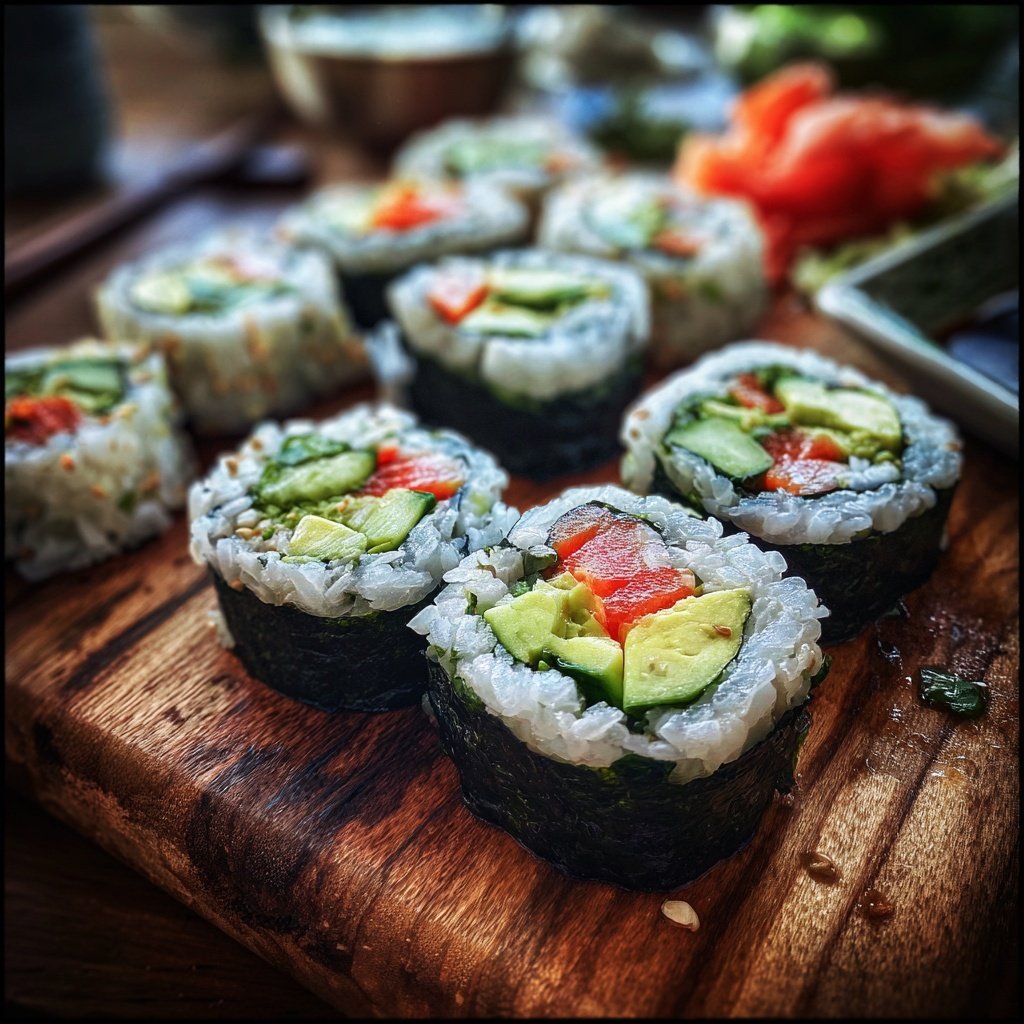
Place a sheet of nori on a bamboo sushi mat, shiny side down. With wet hands, spread a thin layer of sushi rice over the nori, leaving about 1 inch at the top. Add your desired fillings in a line along the bottom edge of the rice. Carefully lift the bamboo mat and begin rolling the sushi away from you, applying gentle pressure to keep the roll tight.
Slice the sushi
Once the roll is complete, use a sharp knife dipped in water to slice the roll into 6-8 pieces. Repeat with the remaining nori and fillings.
Serve
Arrange the sushi rolls on a platter, and serve with soy sauce and wasabi for dipping. Enjoy your homemade sushi!
Remember to clean your knife between cuts to maintain neat slices.
Pro Tips
- Experiment with different fillings such as crab, tuna, or pickled vegetables to find your favorite combination. Don't be afraid to get creative and have fun with the process!
Enhancing Flavor Profiles
The combination of rice vinegar, sugar, and salt in your sushi rice is crucial for achieving that authentic sushi flavor. This mixture allows the rice to balance between sweet and tangy, enhancing the overall taste of your sushi. If you prefer a more pronounced flavor, adjusting the sugar or vinegar can help; just keep the ratios consistent to maintain texture. For those who like it extra zesty, a few drops of lemon juice can add a refreshing twist without overpowering other flavors.
Don't shy away from experimenting with different types of nori as well. While traditional nori is widely used, you may want to explore roasted seaweed varieties that can bring different flavors and textures. Some specialty stores offer wasabi-flavored nori or even varieties infused with sesame or other spices, adding a unique kick to your sushi rolls.
Troubleshooting Common Issues
Encountering challenges is part of the sushi-making journey. If your rice isn’t sticky enough, it could be due to not rinsing it sufficiently or using the wrong type of rice. Always opt for high-quality sushi rice specifically labeled for sushi-making. If it’s too sticky, ensure you're using the right cooking measurements and allowing it to cool properly after cooking, as excess moisture can make it difficult to roll.
If your nori tears during rolling, it could be due to overstuffing or insufficient moisture in your hands. Avoiding overly wet hands or drying out the nori while preparing can help maintain its integrity. Keep a small bowl of water nearby to dampen your hands and make the rolling process smoother. Remember, practice makes perfect; don’t be discouraged by initial attempts!
Questions About Recipes
→ Can I make sushi rolls without raw fish?
Absolutely! Many delicious sushi rolls are made with vegetables, cooked seafood, or tofu.
→ Do I need a bamboo mat to roll sushi?
While a bamboo mat helps create tight rolls, you can also use a clean kitchen towel or simply roll by hand.
→ How can I store leftover sushi rolls?
Wrap them tightly in plastic wrap and refrigerate for up to a day. Enjoy them cold or slightly warmed in the microwave.
→ What can I use instead of sushi rice?
Short-grain rice can be a substitute, but it won’t have the same sticky texture that sushi rice provides.
Global Japanese Sushi Rolls
Created by: The Tastecravings Team
Recipe Type: Wide World Food
Skill Level: Beginner
Final Quantity: 4 rolls
What You'll Need
Sushi Rice
- 2 cups sushi rice
- 2 1/2 cups water
- 1/4 cup rice vinegar
- 2 tablespoons sugar
- 1 teaspoon salt
Fillings
- 1 ripe avocado, sliced
- 1 cucumber, julienned
- 8 oz cooked shrimp, peeled and deveined
- 4 sheets of nori
- Soy sauce and wasabi for serving
How-To Steps
Rinse the sushi rice under cold water until the water runs clear. Combine the rice and water in a rice cooker and cook according to the manufacturer's instructions. Once cooked, transfer the rice to a bowl, and mix in the rice vinegar, sugar, and salt. Let it cool to room temperature.
Place a sheet of nori on a bamboo sushi mat, shiny side down. With wet hands, spread a thin layer of sushi rice over the nori, leaving about 1 inch at the top. Add your desired fillings in a line along the bottom edge of the rice. Carefully lift the bamboo mat and begin rolling the sushi away from you, applying gentle pressure to keep the roll tight.
Once the roll is complete, use a sharp knife dipped in water to slice the roll into 6-8 pieces. Repeat with the remaining nori and fillings.
Arrange the sushi rolls on a platter, and serve with soy sauce and wasabi for dipping. Enjoy your homemade sushi!
Extra Tips
- Experiment with different fillings such as crab, tuna, or pickled vegetables to find your favorite combination. Don't be afraid to get creative and have fun with the process!
Nutritional Breakdown (Per Serving)
- Calories: 300 kcal
- Total Fat: 8g
- Saturated Fat: 1g
- Cholesterol: 50mg
- Sodium: 300mg
- Total Carbohydrates: 48g
- Dietary Fiber: 4g
- Sugars: 3g
- Protein: 8g